Valsad Gujarat India 396126
Valsad Gujarat India 396126
HIGHLY POTENT AND PHYTOCHEMICALS RICH MEDICINAL PLANT/ HERB
The sole Indian exporter of wild blumea lacera (dried raw herbs and plant parts) Harvesting directly from Indian farms.we deliver pure, premium-quality wild Blumea lacera—dried raw herbs and plant parts crafted with care for global markets.”
Scientific Classification
• Kingdom: Plantae
• Order: Asterales
• Family: Asteraceae
• Subfamily: Asteroideae
• Tribe: Inuleae
Key Characteristics:
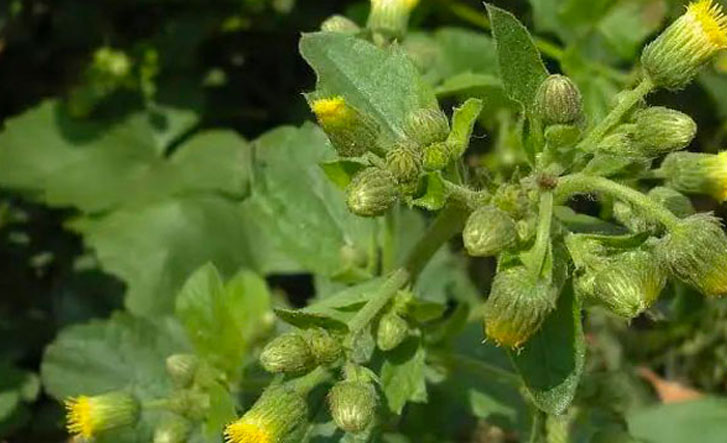
Habit: Annual herb, typically growing 30-60 cm tall.
Stems: Erect, simple or branched, hairy or glandular.
Leaves: Oblanceolate to obovate, toothed or lobulated, smaller towards the top.
Flowers: Bright yellow, about 8mm across, in terminal, spike-like panicles.
Odor: Distinct camphor-like fragrance.
According to Ayurvedic principles, Blumea lacera exhibits the following medicinal attributes:
• Taste (Rasa) – Bitter (Tikta), Astringent (Kashaya)
• Qualities (Guna) – Light (Laghu), Dry (Ruksha), and Sharp (Teekshna)
• Post-digestive Effect (Vipaka) – Pungent (Katu)
• Potency (Veerya) – Hot (Ushna)
• Action (Karma) – Balances aggravated Kapha and Pitta doshas
 Premium Blumea lacera is a highly valued medicinal herb sourced from India. Known for its anti-inflammatory, detoxifying, and pain-relieving properties, it is widely used in Ayurvedic and traditional medicine. Our export-quality Blumea lacera is carefully dried and processed to retain its natural potency and aroma.
Botanical Name: Blumea lacera
Common Name: Kukti / Nagadandi / Raundha
Form: Dried Herb
Moisture: Below 10%
Color: Natural Green-Brown
Uses: Ayurvedic formulations, Herbal medicines, Essential oil extraction
Packaging: 1 kg export-grade PP bag or customized as per buyer requirement
Origin: Gujarat, India
Chemical Constituents, Medicinal and Pharmacological Profile:
The plant is rich in bioactive compounds. On steam distillation, the leaves yield approximately 0.5% essential oil, which is composed mainly of:
• Cineol – 66%
• d-Fenchone – 10%
• Citrol – 6%
• Blumea lacera contains coniferyl alcohol, acetylenic compounds, and thiophene derivatives. The aerial parts also possess campesterol, hentriacontane, lupeol, and lupeol acetate. These constituents contribute to its therapeutic and aromatic properties.
• It contains a variety of bioactive compounds such as α-amyrin, β-sitosterol, acetates, hentriacontane, stigmasterol, lupeol, lupeol acetate, and several volatile constituents including 2,5-dimethoxy-p-cymene, β-caryophyllene, carvotanacetone, chrysanthenone, and 2,6-dimethyl phenol. These compounds contribute to its antipyretic, anti- inflammatory, anthelmintic, diuretic, antidiarrheal, antimicrobial, cytotoxic, astringent, hepatoprotective, and sedative properties.
Blumea lacera has been widely used in Ayurveda and traditional medicine for centuries. Some of its well-documented applications include:
• Eye Health: The leaf juice, when applied as eye drops, helps in managing conjunctivitis.
• Wound Healing: Leaf juice or paste is applied to wounds, especially those with pus, for quicker healing.
• Piles:
• For external piles – leaf paste is applied directly over the mass.
• For internal piles – a small tablet prepared from leaf paste mixed with black pepper powder is administered internally.
• Liver & Digestive Health: A decoction of leaves and roots (30–40 ml) is given to expel intestinal worms and reduce liver enlargement.
• Oral Health: Root decoction is used as a gargle for treating gingivitis and oral ulcers.
• Fever & Gynecological Issues: Root decoction (45–50 ml) is beneficial in fevers, leucorrhea, and chronic cough.
• Toxicity Management: In cases of dog bite, fresh root juice (10 ml) is traditionally administered.
ADDITIONAL INFORMATION
Blumea lacera (commonly known as Wild Blumea or Kukronda) is a medicinal plant widely used in Ayurveda, Siddha, and traditional Asian medicine systems. It contains powerful phytochemicals like alkaloids, flavonoids, terpenoids, and essential oils, which give it significant pharmaceutical and therapeutic value.
Discover the potent benefits of Blumea lacera (Kalhar), a revered plant species sourced from the fertile regions of Gujarat. Known locally as Kalhar and internationally as Lettuce- Leaf Blumea, this annual herb belongs to the Asteracea (sunflower) family. Cultivated in tropical and subtropical climates, Blumea lacera is valued for its bright yellow flowers, aromatic leaves, and therapeutic properties. Rich in essential bioactive compounds such as cineol, d-fenchone, and citrol, it is widely used in traditional medicine for anti- inflammatory, antimicrobial, and antioxidant purposes, making it a cornerstone of natural wellness and herbal remedies.
Pharmaceutical & Medicinal Uses of Blumea lacera
1. Cardiovascular (Heart) Health
• Antioxidant activity: Protects heart tissues from oxidative stress and free radical damage.
• Anti-inflammatory property: Helps reduce inflammation in cardiac tissues and arteries.
• Blood pressure regulation: Traditional use suggests mild vasodilation effects — improving blood flow and reducing high blood pressure.
• Cholesterol control: Some phytoconstituents (like β-sitosterol) may help lower LDL and triglyceride levels, promoting heart health
2. Respiratory Disorders
• Acts as an expectorant and bronchodilator; used in treating asthma, cough, and bronchitis.
• Helps clear phlegm and soothes inflammation in the respiratory tract.
3. Liver and Digestive Health
• Hepatoprotective: Protects liver from toxins and supports detoxification.
• Digestive stimulant: Used to treat indigestion, gas, bloating, and stomach pain.
• Traditional use as an antihelminthic (deworming) agent.
4. Anti-inflammatory and Pain Relief
• The essential oils possess analgesic and anti-inflammatory properties.
• Used topically or internally for joint pain, arthritis, rheumatism, and swelling.
5. Antimicrobial & Wound Healing
• Strong antibacterial, antifungal, and antiviral properties.
• Promotes faster wound healing and prevents infections.
6. Anticancer & Cytotoxic Potential
• Research shows cytotoxic effects against certain cancer cell lines (e.g., liver and colon cancer models).
• The flavonoids and terpenes help inhibit abnormal cell growth.
7. Antidiabetic & Antioxidant Benefits
• Helps reduce blood sugar levels and improve insulin sensitivity.
• Its antioxidants neutralize harmful free radicals, supporting metabolic health.
Research-Backed Efficacy
With no reported adverse effects, Blumea lacera is safe for use alongside homeopathic remedies, nutritional supplements, and with guidance alongside allopathic medicine. Its growing recognition in natural remedy and drug development research highlights its potential as a cornerstone for modern herbal therapies.
